
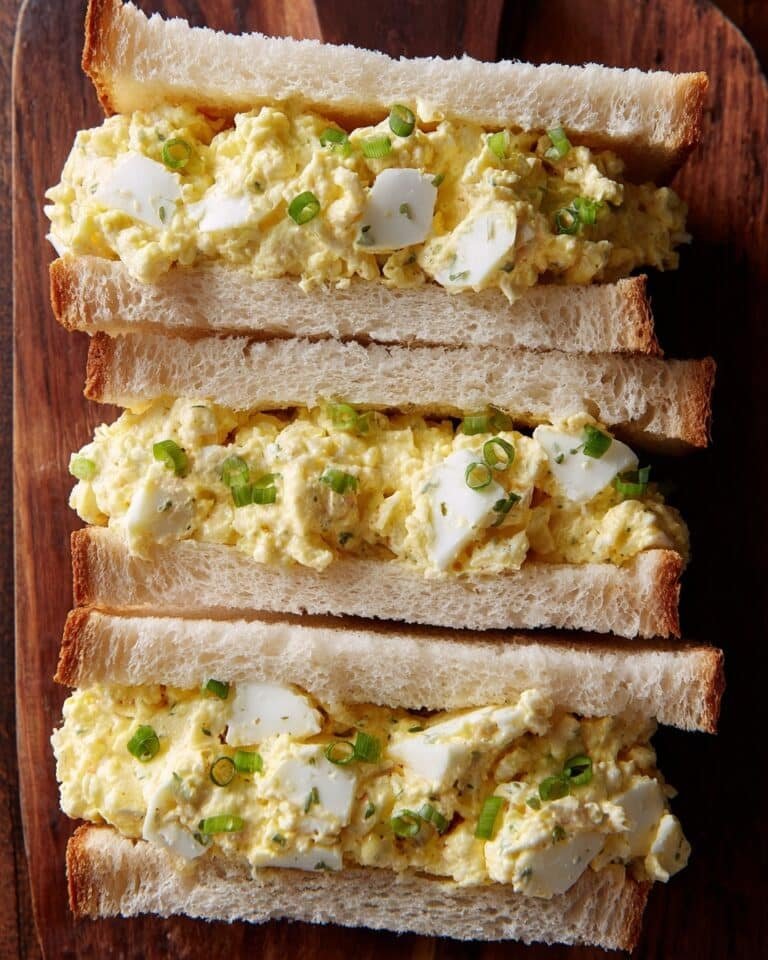
If you're craving a sandwich that’s fluffy, creamy, and utterly comforting, the Japanese Egg Sandwich Recipe is just what you need. Perfect for a wholesome lunch or a quick snack, this delightful sandwich combines soft, pillowy milk bread with a luscious, velvety egg salad that’s subtly seasoned and oh-so-satisfying. I find it especially great when I want something that feels a little fancy but comes together with minimal fuss.

Jump to:
In the Kitchen
This Japanese Egg Sandwich Recipe truly shines because it balances simple ingredients with a technique that brings out the creamiest, most tender egg salad you can imagine. I always appreciate how a few thoughtfully chosen components come together to create something that feels special, even on a busy weekday.
- Juicy and Tender Every Time: Soft-boiled eggs give the egg salad a moist, delicate texture, different from typical dry hard-boiled versions.
- Golden, Satisfying Finish: Using Japanese milk bread creates a pillowy sweetness that complements the savory filling beautifully.
- Simple Ingredients, Big Impact: Just eggs, mayonnaise, and a pinch of sugar and pepper—comfort food at its best without any fuss.
- Weeknight to Weekend Ready: Quick to whip up yet perfect for a cozy weekend brunch or packed lunch on the go.
Ingredients at a Glance

For this Japanese Egg Sandwich Recipe, quality truly matters—especially with your eggs and bread. Opting for organic, fresh eggs and authentic Japanese milk bread takes the sandwich from good to unforgettable.
- Organic Eggs: Freshness is key for creamy egg salad and vibrant flavor.
- Japanese Milk Bread: Look for soft and slightly sweet shokupan, which creates the sandwich’s signature fluffy texture.
- Japanese Mayonnaise: Kewpie mayo is a must for its rich umami and smooth sweetness.
- Unsalted Butter: Using softened butter helps spreadability and adds a toasty richness when applied to the bread.
- Sugar, Salt, and Pepper: Simple seasonings to enhance natural egg flavor without overpowering.
- Optional Milk: A touch of milk makes the filling silkier, especially if using hard-boiled eggs.
- Chives: Fresh chives add a subtle oniony brightness as garnish.
Heads-Up: Exact measurements are in the printable recipe card at the bottom.
How to Make Japanese Egg Sandwich Recipe
Step 1 — Master the Perfect Soft-Boiled Eggs
This step is everything. Start by bringing a medium pot of water to a boil, making sure there’s enough to cover your eggs completely. I gently lower 6 large eggs into the water with a ladle to avoid cracks. Boil for exactly 7 minutes for soft-boiled eggs with tender whites and creamy yolks—this is what gives your egg salad that melt-in-the-mouth texture. If you prefer hard-boiled eggs, boil for 10 minutes, but I recommend soft-boiled for this sandwich. Immediately transfer the eggs to an ice bath for 2 minutes—it stops the cooking just right while keeping them lukewarm for peeling.
Step 2 — Create the Creamiest Egg Salad
Once peeled, transfer the eggs to a large bowl and start mashing gently with a fork. You want small chunky pieces, about pea-sized or a bit smaller, for that wonderful texture contrast. Here’s a little trick: a paring knife helps break up stubborn bits with precision. Add ¼ teaspoon each of sugar, salt, and black pepper to balance the flavor, then mix in 4 tablespoons of Japanese mayonnaise until luxuriously creamy. If using hard-boiled eggs, add 1–2 teaspoons of milk or plant milk to soften the texture. Give it a final taste, adjusting salt or mayo to your preference—you’re aiming for a harmonious, rich flavor here.
Step 3 — Butter and Assemble Your Sandwich
Take 4 slices of Japanese milk bread and spread about ½ tablespoon of softened unsalted butter evenly on each slice—this gives a slight richness and helps the sandwich feel extra comforting. Spread the egg salad generously but evenly over two of the buttered slices. Place the remaining bread slices on top, buttered side down. Give each sandwich a gentle press—don’t squish them too hard, though! Finally, trim off the crusts for that classic clean look. If you like, sprinkle a little sliced chive over the filling before closing; it adds a fresh note and pops of color.
Step 4 — Slice and Serve Fresh
Use a sharp knife to cut each sandwich in half diagonally. Serving them immediately ensures the bread stays fluffy and the filling fresh. I love the way the egg salad practically melts between the soft bread, and the first bite always feels like a little moment of joy. If you need to pack these for later, I’ve got some tips below to keep them tasting perfect.
Things to Remember
From my experience making this Japanese Egg Sandwich Recipe over and over, here are some friendly reminders to get the best results every time. Small details—like timing your boil or seasoning carefully—make a huge difference.
- Doneness Cue: For soft-boiled eggs, the yolk should still show a slight creamy softness—not fully firm.
- Temperature Trick: Peeling eggs while lukewarm from the ice bath makes removal much easier and prevents breakage.
- Make-Ahead Move: You can prep the egg salad a few hours early and store it chilled; just mix the mayo in fresh if you want extra creaminess.
- Common Pitfall: Avoid smashing the eggs into a paste—the texture of gently mashed lumps is key to that luxurious mouthfeel.
Ways to Serve It

Finishing Touches
For finishing touches, I always recommend a light garnish of finely sliced chives—they bring a fresh, mild onion flavor that cuts through the richness beautifully. If you want a little extra crunch, a thin layer of crisp lettuce or cucumber works nicely too. Remember, the charm of this Japanese Egg Sandwich Recipe lies in its delicate simplicity, so keep toppings minimal to let the egg salad shine.
Plays Well With
This sandwich pairs wonderfully with a handful of crunchy pickles or a simple side salad dressed in a light vinaigrette. I also enjoy it alongside miso soup for a comforting and well-rounded meal. If you’re serving it as part of a picnic, some fresh fruit or a crisp, cold drink complements the soft, creamy texture perfectly.
Simple Plating Upgrades
For a casual weeknight, just slice your sandwiches neatly and serve on a bright plate with a sprig of parsley for color. For a special occasion, try cutting the sandwiches into delicate finger sizes and arranging them on a wooden board with small bowls of dipping sauces like soy mayo or a touch of wasabi mayo for a playful twist.
Make-Ahead & Keeping Fresh
Storing Leftovers
Wrap each sandwich tightly in plastic wrap to keep the bread soft and to prevent the egg salad from drying out. Stored in the fridge, they'll stay fresh for up to 2 days. You'll notice the bread might firm up slightly, but letting it sit at room temperature for 10 minutes before eating helps soften it back up nicely.
Freezing Tips
This Japanese Egg Sandwich Recipe doesn’t freeze well because of the soft bread and creamy filling. Freezing will often ruin the texture, making the bread soggy and the filling watery. I recommend making it fresh when you can, or preparing the egg salad separately and assembling right before eating if you want to prep ahead.
Reheating Japanese Egg Sandwich Recipe Without Drying Out
If you have leftovers, the best way to reheat is to unwrap and place the sandwich briefly in a toaster oven or air fryer at a low temperature (around 300°F/150°C) for about 3–4 minutes—just enough to warm without crisping the bread too much. Avoid microwaving directly as it can make the bread tough and the filling rubbery. If you must microwave, cover loosely with a damp paper towel and heat in short bursts to keep moisture in.
Frequently Asked Questions
The key differences lie in the use of soft, fluffy Japanese milk bread and creamy Japanese mayonnaise, plus the use of soft-boiled eggs for a tender, moist filling rather than just hard-boiled eggs. The subtle sweetness and texture balance make it uniquely Japanese.
While you can substitute regular mayo, Japanese mayonnaise like Kewpie adds a richer, slightly sweeter flavor and silkier texture, which really elevates the sandwich to the authentic experience.
Stick to soft-boiled eggs rather than hard-boiled ones, and use just enough mayonnaise to bind the salad without adding excess moisture. Adding milk is optional and should be done sparingly.
Traditional Japanese egg sandwiches often have the crusts removed for a neat, delicate appearance, but it’s purely preference-based. Removing them also softens the bite.
Final Thoughts
I hope you enjoy making and eating this Japanese Egg Sandwich Recipe as much as I do. It’s one of those dishes that feels like a warm hug wrapped between slices of bread. Whether you’re aiming for a quick lunch or a special homemade treat, its simplicity and flavor are sure to delight. Remember, practice your soft-boil timing and savor the tender creaminess—once you nail that, it’s hard not to make this your go-to sandwich!
PrintFull Printable Recipe
Japanese Egg Sandwich Recipe
A delightful Japanese Egg Sandwich featuring soft boiled eggs transformed into a creamy egg salad, layered between slices of soft Japanese milk bread with a hint of butter. Perfect for a light lunch or snack, this sandwich balances subtle seasoning and rich mayonnaise for a comforting and savory treat.
- Total Time: 20 minutes
- Yield: 2 sandwiches
Ingredients
Egg Salad
- 6 large Pete and Gerry’s Organic Eggs
- ¼ teaspoon sugar
- ¼ teaspoon salt
- ¼ teaspoon ground black pepper
- 1 to 2 teaspoon milk or plant milk (Optional)
- 4 tablespoons Japanese mayonnaise
Sandwich
- 4 slices Japanese milk bread
- 2 tablespoons unsalted butter, softened
- chives, sliced (for garnish) (Optional)
Instructions
- Prepare an ice bath: Fill a large bowl with ice and cold water to create an ice bath for cooling the eggs after boiling.
- Boil the eggs: Bring a medium-sized pot of water to a rolling boil, ensuring enough water to cover the eggs. Using a ladle, carefully lower the eggs into the boiling water. Boil for 7 minutes for medium soft boiled eggs, then turn off the heat and let the eggs sit in the hot water for 1 minute. For hard boiled eggs, boil for 10 minutes continuously.
- Cool and peel the eggs: Immediately transfer the boiled eggs to the ice bath and let them sit for 2 minutes to stop cooking while keeping them slightly lukewarm. Peel the eggs carefully once cooled.
- Mash the eggs: Place peeled eggs in a large bowl and mash them with a fork into pieces smaller than a pea but not minced. Use a paring knife to help break up larger pieces if needed.
- Season the egg salad: Add sugar, salt, and ground black pepper to the mashed eggs. Mix well. If using hard boiled eggs, add 1 to 2 teaspoons of milk or plant milk to loosen the texture. Stir in 4 tablespoons of Japanese mayonnaise until combined. Adjust seasoning to taste by adding more salt, pepper, or mayonnaise as needed.
- Butter the bread: Spread ½ tablespoon of softened unsalted butter evenly over each of the 4 slices of Japanese milk bread.
- Assemble the sandwiches: Evenly spread the prepared egg salad onto two slices of the buttered bread. Top each with the remaining buttered slices, placing buttered side down. Gently press the sandwiches together.
- Trim and garnish: Carefully cut off the crusts from each sandwich. If desired, sprinkle sliced chives on top for garnish.
- Serve: Cut each sandwich in half and serve immediately for best freshness and texture.
- Store leftover sandwiches: Wrap each sandwich tightly in plastic wrap and refrigerate for up to 2 days to maintain freshness.
Notes
- Using fresh eggs yields the best texture and flavor in the egg salad.
- Adding milk or plant milk helps create a creamier egg salad, especially when using hard boiled eggs.
- Japanese mayonnaise has a milder, sweeter flavor compared to regular mayo; substituting with regular mayonnaise will alter the taste slightly.
- Soft Japanese milk bread is essential for an authentic texture, but brioche or white sandwich bread can work as alternatives.
- Peeling eggs while they are still slightly warm helps prevent sticking and peeling difficulties.
- For a richer flavor, use unsalted butter to control saltiness in the sandwich.
- Chives add a fresh herbal note, but can be omitted or replaced with finely chopped green onions or parsley.
- Prep Time: 10 minutes
- Cook Time: 10 minutes
- Category: Lunch
- Method: Stovetop
- Cuisine: Japanese
- Diet: Vegetarian





Leave a Reply