
If you’re craving a cozy, comforting meal that feels like a warm hug from the inside, this Authentic German Rouladen Recipe is your answer. Traditionally served during family gatherings or Sunday dinners, rouladen is a tender beef roll stuffed with pickles, onions, and bacon, then slow-cooked until meltingly soft. I love how it’s both fancy enough for company and completely satisfying on a casual night.

Jump to:
In the Kitchen
This Authentic German Rouladen Recipe is a feast for the senses and a delight for any home cook ready to explore classic German flavors. The secret lies in rolling up thin beef slices around a savory filling, then slow braising until juicy tenderness.
- Juicy and Tender Every Time: Properly pounding and rolling the beef ensures a perfect texture without drying out.
- Golden, Satisfying Finish: Browning the rouladen before braising adds a rich, caramelized depth of flavor.
- Simple Ingredients, Big Impact: With just onions, bacon, pickles, and mustard, you’ll create layers of traditional taste.
- Weeknight to Weekend Ready: This dish can simmer gently while you handle other tasks, making it ideal for any busy schedule.
Ingredients at a Glance

For an Authentic German Rouladen Recipe, focus on choosing tender beef slices and fresh, flavorful fillings. Quality ingredients really shine here, so I recommend sourcing fresh onions and pickles, and if you can find sturdy, thinly sliced beef for rouladen, you’re halfway there!
- Beef Rouladen Cut (top round or flank steak): Look for thinly sliced, tender cuts that can be rolled easily.
- Bacon: Choose smoky, not overly salty, for balanced flavor.
- Pickles: Use crisp dill pickles for that classic tangy pop.
- Onion: Fresh yellow onions add sweetness and texture.
- Mustard: A good German-style mustard gives just the right zing.
- Beef Broth: Homemade or high-quality broth makes all the difference in your sauce.
Heads-Up: Exact measurements and detailed step-by-step instructions are included in the printable recipe card at the bottom of this post.
How to Make Authentic German Rouladen Recipe
Step 1 — Prepare and Flatten Your Beef
Start with your beef slices: if they aren’t already paper-thin, gently pound them between sheets of plastic wrap until about ⅛ to ¼ inch thick. You want them thin enough to roll easily but not so thin it tears. Lightly season both sides with salt and pepper. Paying attention here sets you up for tender, flavorful rouladen.
Step 2 — Layer the Classic Fillings
Spread a thin layer of mustard evenly over each beef slice. Then add a couple of slices of bacon, a few thin onion strips, and some crunchy pickle slices. The tangy brightness from the pickles combined with the smoky bacon and pungent mustard is exactly what makes an Authentic German Rouladen Recipe pop with flavor.
Step 3 — Roll and Secure Your Rouladen
Carefully roll the beef up tightly around the filling, starting from one short end. Use kitchen twine or toothpicks to hold the rouladen securely in place. This step might feel a bit fiddly at first, but trust me, the rolled shape is key to even cooking and beautiful presentation.
Step 4 — Brown and Braise Until Perfect
Heat a couple tablespoons of oil in a large pot over medium-high heat, then carefully brown the rouladen on all sides until golden and caramelized—this usually takes about 6-8 minutes total. Don’t crowd the pan; work in batches if needed. Then remove the rouladen and sauté extra onions in the same pot before returning the rolls to the pan. Pour in beef broth, cover, and let everything simmer gently for about 90 minutes, until the meat is fork-tender and the filling melts into the sauce.
Things to Remember
This Authentic German Rouladen Recipe deserves your attention at a few key moments to shine in taste and texture. From rolling to simmering, take your time and trust the process.
- Doneness Cue: The meat should be so tender it easily falls apart with a fork after braising.
- Temperature Trick: Keep your braise at a low simmer, never a boil, to avoid toughening the beef.
- Make-Ahead Move: Rouladen tastes even better the next day once the flavors mingle, so don’t hesitate to prepare it in advance.
- Common Pitfall: Avoid skipping the browning step—this caramelization builds the rich flavor base you want.
Ways to Serve It

Finishing Touches
A drizzle of the luscious braising sauce over the rouladen is a must—it’s packed with all those beautiful flavors from the meat and spices. For a traditional touch, sprinkle a few fresh parsley leaves on top to brighten the presentation and taste.
Plays Well With
Classic sides like buttery mashed potatoes or spaetzle soak up every bit of sauce perfectly. Red cabbage or sauerkraut brings a tangy counterpoint that cuts through the richness nicely. I often add a simple green salad on the side to refresh the palate as you go.
Simple Plating Upgrades
For a special occasion, slice rouladen into neat rounds so those gorgeous spirals are revealed. Serve with a few more braising juices spooned over and perhaps a sprig of fresh thyme for an elegant but approachable look. Even on a weeknight, a clean plate and fresh herbs make a big impression.
Make-Ahead & Keeping Fresh
Storing Leftovers
Keep leftovers in an airtight container in the fridge for up to 3 days. The rouladen will soften further and the flavors deepen, making it a great next-day treat. Just be gentle when reheating to maintain that tender texture you worked hard for.
Freezing Tips
You can freeze rouladen before or after cooking. Wrap tightly in plastic wrap and foil to prevent freezer burn. Thaw overnight in the fridge, then reheat gently. While texture may soften a bit more, the flavor holds up beautifully, which means dinner is ready on your schedule.
Reheating Authentic German Rouladen Recipe Without Drying Out
The oven is your best bet to reheat rouladen with its sauce. Cover with foil and warm at 325°F (160°C) until heated through—about 20-30 minutes depending on the amount. Adding a splash of broth or water before covering helps keep moisture locked in. You can also reheat slices gently in a skillet over low heat, spooning sauce over as it warms.
Frequently Asked Questions
Flank steak or top round cut into thin slices work best because they’re tender enough when pounded thin and roll easily without tearing.
Absolutely! In fact, rouladen tastes better the next day as the flavors deepen. You can prepare, cook, and refrigerate it or freeze for longer storage.
Traditional sides include mashed potatoes or spaetzle and braised red cabbage or sauerkraut. These complement the rich rouladen and soak up the delicious sauce.
Pound your beef thin, brown it well for flavor, and braise it slowly at a gentle simmer. Avoid high heat that can toughen the meat.
Final Thoughts
Making an Authentic German Rouladen Recipe might feel like a project, but the payoff is truly worth it. That tender, flavorful beef combined with tangy pickles and smoky bacon creates a comforting dish that invites leftovers and second helpings. I still remember the first time I made it for my family—they were so impressed by how something so simple could taste so rich and satisfying. With this guide, you’ll be confidently rolling, browning, and braising your way to a classic dish that’s sure to become a favorite in your home too.
PrintFull Printable Recipe
Authentic German Rouladen Recipe
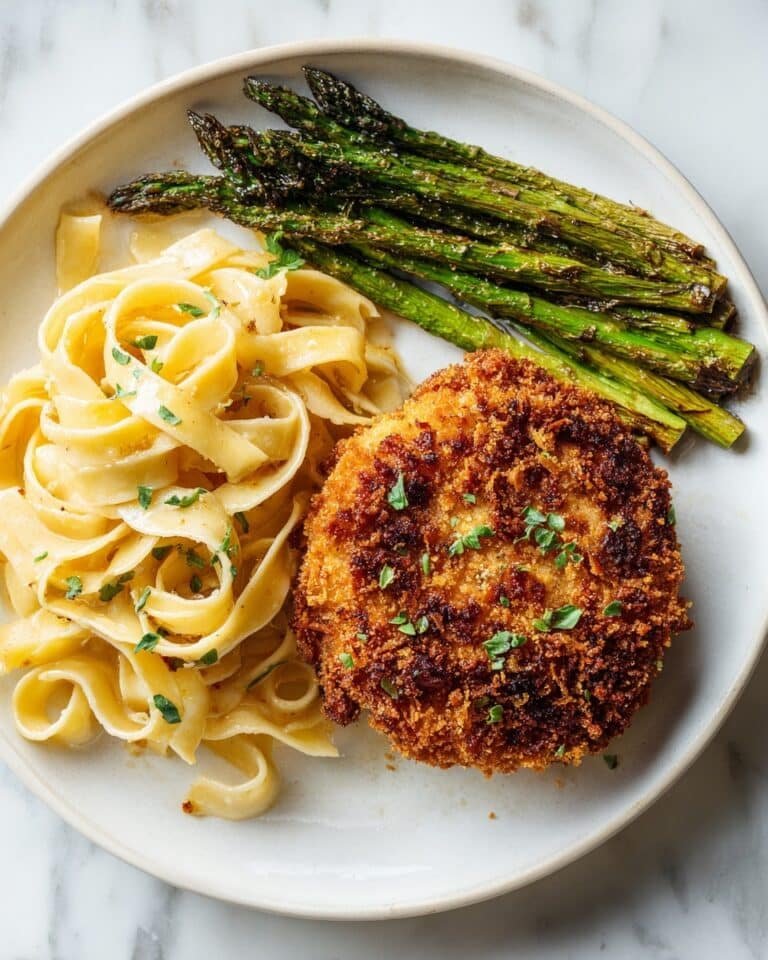
This Parmesan Crusted Chicken recipe delivers a crispy, flavorful coating with a perfect blend of herbs and garlic, fried to golden perfection. Served hot, it's a delicious and easy main course suitable for a satisfying dinner.
- Total Time: 35 minutes
- Yield: 4 servings
Ingredients
Chicken
- 1 pound boneless skinless chicken breasts cut into cutlets, and pounded ½ inch thick (453.6 grams)
- Salt and pepper to taste
Breading
- ½ cup all purpose flour (120 grams)
- 3 large eggs
- 1 tablespoon milk
- 1 cup panko breadcrumbs (112 grams)
- ½ cup Parmesan cheese, grated (25 grams)
- ½ tablespoon dried basil
- ½ tablespoon dried oregano
- 1 teaspoon garlic powder
For Frying
- ¼ cup vegetable oil (approximately 60 ml or 198 grams)
Instructions
- Prepare the chicken: Slice the chicken breasts in half, butterfly style. Pound any thick areas between plastic wrap using a meat mallet or rolling pin until about ½ inch thick. Pat dry thoroughly and season both sides lightly with salt and pepper.
- Prepare the breading stations: Place the flour on a plate. In a shallow dish, whisk together the eggs and milk. In another shallow dish, combine the panko breadcrumbs, grated Parmesan cheese, dried basil, dried oregano, and garlic powder.
- Bread the chicken: Working one piece at a time, dredge each chicken cutlet first in the flour, then dip into the egg mixture, and finally coat with the seasoned panko breadcrumb mixture. Place breaded chicken pieces on a wire rack set over a rimmed baking sheet lined with foil. Let rest while heating oil.
- Heat the oil: In a large heavy-bottomed skillet over medium heat, heat the vegetable oil until it reaches about 350 degrees Fahrenheit, using an instant-read thermometer for accuracy.
- Fry the chicken: Fry two chicken pieces at a time for about 3 minutes per side, or until the internal temperature reaches 165 degrees Fahrenheit and the crust is golden brown. Transfer cooked chicken to the wire rack and tent loosely with foil to keep warm. Repeat with remaining chicken pieces.
- Serve: Serve the Parmesan crusted chicken hot and enjoy as a main course with your favorite sides.
Notes
- Ensure chicken pieces are pounded evenly to promote even cooking and crispy crust.
- Use fresh Parmesan cheese for the best flavor and crunchy texture.
- Maintain oil temperature around 350°F to avoid greasy chicken.
- You can substitute dried herbs with fresh herbs for a brighter flavor, adjusting quantity accordingly.
- Use a wire rack to drain excess oil and keep the crust crispy.
- Prep Time: 20 minutes
- Cook Time: 15 minutes
- Category: Main Course
- Method: Frying
- Cuisine: American



Leave a Reply